

As technology transforms nearly every creative field, artists are finding new ways to define intention, authorship, and emotion. In this interview, we speak with a visual artist exploring how artificial intelligence reshapes both the process and perception of image-making. The conversation moves beyond tools and trends, touching instead on awareness, decision-making, and the evolving role of the artist in a world saturated with AI images.
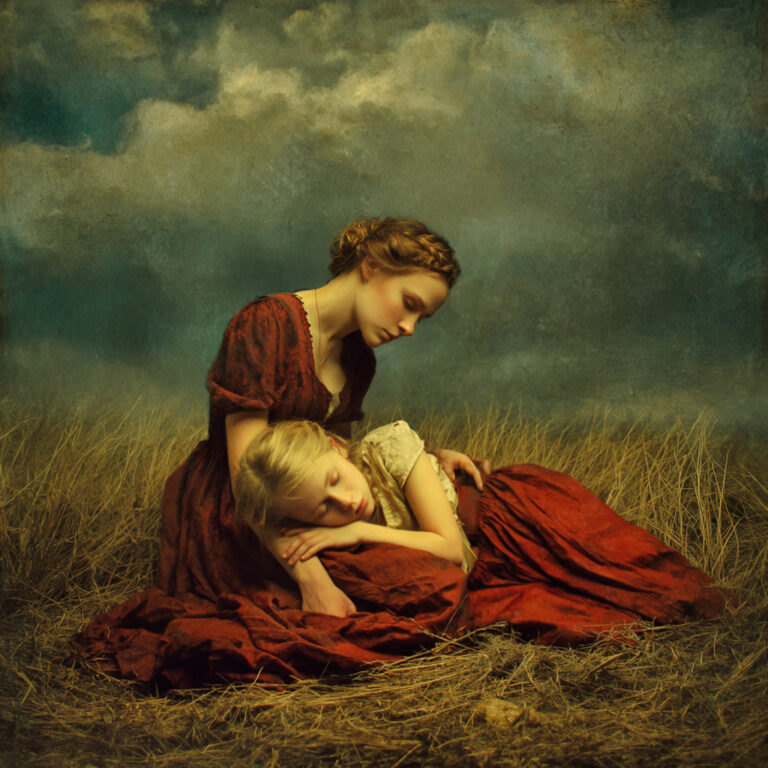
You spoke about your art in collaboration with AI being a process that may include dozens of iterations and hours of editing. This requires patience. How do you see the art made by more impatient people with the help of AI that takes advantage of its quick delivery and doesn’t spend that much time to alter it? Is that still art? Or is it a lesser art in any way?
I don’t really think in terms of lesser or greater art. History has never worked that way. Some things are made slowly, some quickly — speed alone doesn’t decide anything.
What AI does is make immediacy very visible. You can often sense when someone has stopped at the first interesting result, and when someone has stayed with the image long enough for it to say something back. A fast result can absolutely still be art. But speed can also become a way of avoiding decisions. For me, patience isn’t a virtue — it’s just the pace my work asks for. I’m dealing with memory, atmosphere, emotional after-images. Those things don’t really arrive on demand.
You call AI a “collaborator” rather than a tool. In any partnership, there is friction. What is the most common “disagreement” you have with the AI during the generative process?
It’s usually about neatness. AI likes to resolve things. It wants balance, symmetry, clarity. I’m often pushing in the opposite direction — toward ambiguity, interruption, something unresolved. I’ll ask for fragility and it will confidently offer something finished. That’s where the work begins for me. I push back. I remove things. I introduce uncertainty. I’m often trying to un-finish the image so it can breathe. I sometimes leave the work for a day or two and come back slightly uneasy, which usually tells me I’m close.
The popular gaming platform Steam has added a controversial AI content disclosure on all games. What is your opinion about the eventuality of having this being enforced in all forms of art in the future, making a clear difference between what has been touched by AI and what hasn’t?
I’m not against transparency, but I’m wary of obsession. Most art today is already deeply mediated by technology — cameras, software, editing tools, algorithms. Singling out AI as something exceptional risks missing the larger picture. What matters more to me is process. How was the work shaped? What choices were made? What was rejected, edited, or questioned along the way? Art isn’t defined by purity of method, but by attention.
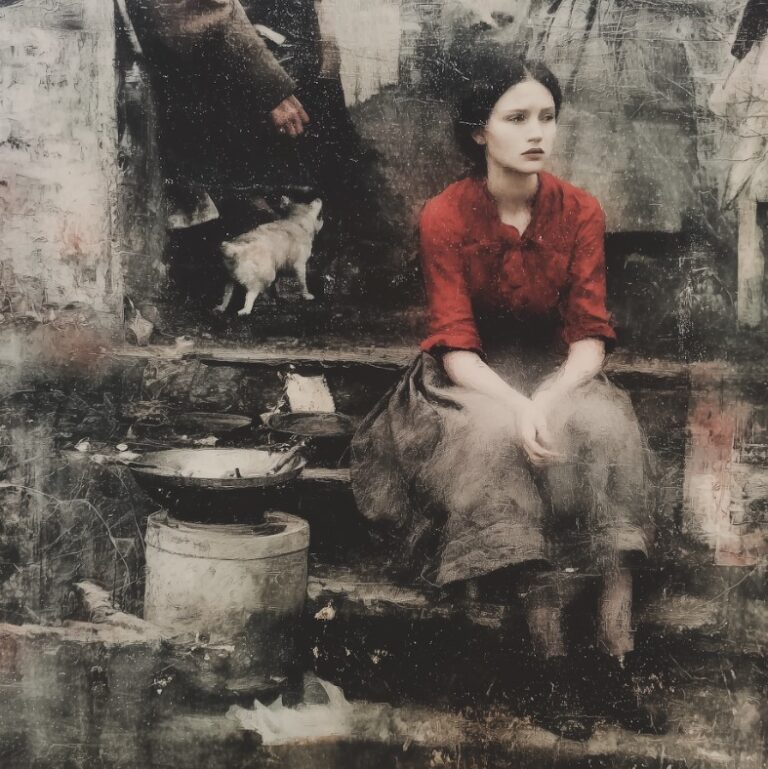
You’ve noted that AI can visualize “the texture of a feeling.” Can you describe a specific time the AI surprised you by capturing an emotion you hadn’t yet named?
Yes — and it doesn’t happen often, which is why it stays with you when it does. I was working on an image that felt unsettled, but I couldn’t name the feeling. It wasn’t sadness or
fear. It was quieter than that. The image that emerged had a strange emotional temperature — distant, waiting, almost patient. Only later did I realize it was a kind of anticipatory grief — not mourning something that’s gone, but something that hasn’t happened yet. AI didn’t invent that feeling, but it gave it form before I had language for it.
As AI tools become more ubiquitous, the “barrier to entry” for art is disappearing. In this new landscape, what will define a “great” artist?
Discernment. When everyone can generate images, the artist becomes the person who knows what to keep, what to remove, and when to stop. Taste, restraint, emotional intelligence — those things don’t scale, and they don’t automate. If anything, they become more visible as the tools become more powerful.
How do you see the future of visual art, all things considered?
I’m cautiously optimistic. We’re moving away from art as technical display and back toward art as meaning-making. AI will flood the world with images, but images alone don’t last. What endures are works that ask something of the viewer. I think we’ll see fewer myths about the lone genius, and more hybrid, reflective practices. Artists working with memory, identity, and inner life will have new ways to speak — and a responsibility to do so carefully. In that sense, the future of art feels more human, not less. Precisely because the machine is now so
present.


No comments